
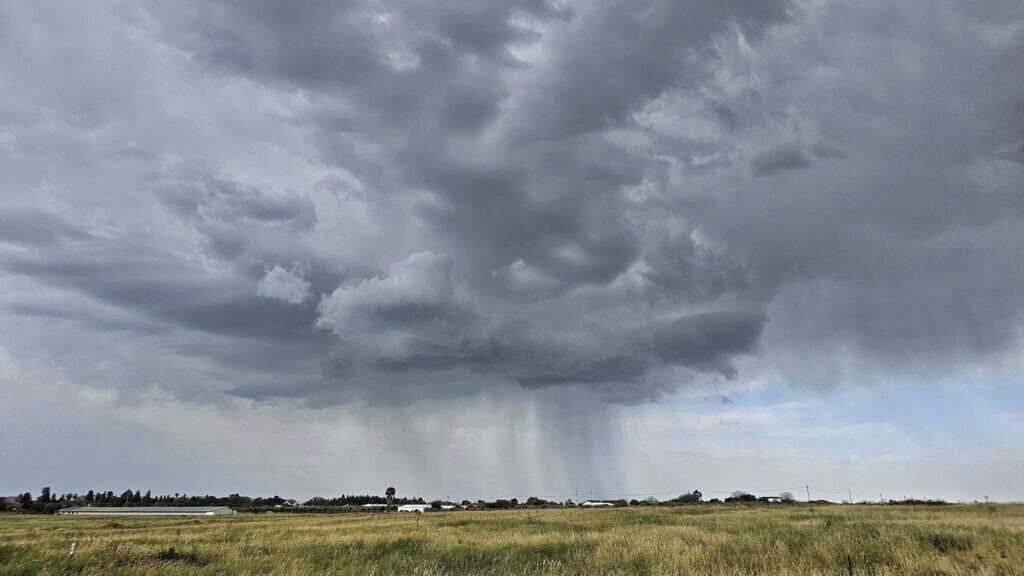
“With water You symbolized Your might in Scripture, to soothe with its drops those in whom was blown a soul, to keep alive the ones who recall the strengths of the rain.” (Prayer for Rain)
Outside my homeland, I praise the rain when it ceases to fall, the words carrying a quiet certainty of belonging.
When I was eight, my family made Aliyah in the middle of spring. I first encountered Israel on long walks in the park colored red by poppies, kalaniyot, and hot afternoons in the blazing sun. I spent the majority of that summer walking up and down the beach, picking up seashells and Hebrew words along the shore, and feeling embraced by the salty wind, ruach, of the land.
Then, when school started, I would spend a few hours each day with fellow olim in ulpan classes, learning Hebrew. We would spell out new words, learn Hebrew songs, and write short stories about our day. In the fall, we went on outings to the school orchard, finding and naming anything we could spot: a snail, chilazon; mushrooms, pitriot; a songbird, tzipor zamir; and raindrops, tipot shel geshem.
On a particularly cool fall day, our school rabbi called us all out into the yard in the middle of class. We jumped out of our seats enthusiastically and ran after him, excited to see what he had to show us. Bewildered, we found ourselves standing in the rain under the olive trees, and we all fell silent as he began to whisper to us the significance of the rain.
“Dear children, we are witnessing the yoreh, the first rain of the season in Eretz Yisrael. It is an incredibly joyful moment in the year and a sign of blessing in the land. Since the days of ancient Israel, the Jewish people have prayed to God for rain to sustain and nurture the land, and we, too, continue this tradition in the amidah. In this season, we begin to praise God as He who ‘makes the wind blow, and the rain descend,’ Mashiv HaRuach U’Morid HaGeshem.”
I repeated those words to myself: ruach, the wind, and geshem, the rain; for the first time, words I had learned in pieces became something whole, filled with purpose. They were no longer distant; they drew me closer to a tradition passed down through the generations, connecting me to the roots of my inheritance. As the rain fell and the wind whirled through the air, we listened to the rabbi read verses from the Prayer for Rain, and we felt a kind of serenity as the Hebrew words flowed out, reaching out to greet us softly. I had now lived through the holy rain, been held by it, and felt honored to praise what has sustained our land.
In Mexico, where I now live, the rainy season runs from May through October, ending just as the first rains begin in Eretz Hakodesh. Since leaving Israel, I turn silently eastward and praise the rain that falls from afar, the words of the blessing carrying a living memory of my homeland.
In Shir HaShirim, The Song of Songs, the speaker calls out to his beloved: “For now the winter is past, The rains are over and gone / The blossoms have appeared in the land, The time of pruning has come” (2:11-12). Following the wet season in Israel, these verses evoke renewal, return, and a shift into spring. They belong to the land, where poppies begin to grow, and seashells wash up upon the sunlit shore; they come to life just as the clouds above me once again darken and gray.
We all seek belonging and orient ourselves toward it; at times, in the light of sunrise, and at times in the whisper of sunset. Some find it among others, in a lively room; some find it in a solitary space. I find it in the rain, which takes me through moments of joy and greets me like an old friend in moments of longing, present in quiet conversation, carrying me forward.
"מַיִם לְאַדְרָךְ כִּנִּיתָ בְּרֶשֶׁם. לְהַרְגִיעַ בְּרַעֲפָם לִנְפוּחֵי נֶשֶׁם. לְהַחֲיות מַזְכִּירִים גְּבוּרות הַגָּשֶׁם:" (תפילת גשם)
מחוץ למולדתי, אני מברכת את הגשם כשהוא מפסיק לרדת, והמילים נושאות ודאות שקטה של שייכות.
בגיל שמונה, עליתי לארץ עם משפחתי באמצע האביב. הכרתי לראשונה את ארץ ישראל דרך טיולים ארוכים בפארק שנצבע אדום בכלניות, ואחרי הצהריים חמים בשמש הרותחת. את רוב הקיץ ההוא ביליתי בהליכות לאורך החוף. אספתי צדפים ומילים, והרגשתי את הרוח המלוחה של הארץ מחבקת אותי.
ואז, כשהתחילו הלימודים, ישבתי כמה שעות בכל יום באולפן, יחד עם שאר ילדי העולים. היינו מאייתים מילים חדשות, שרים שירים בעברית, וכותבים סיפורים קצרים על חוויות היום-יום שלנו. בסתיו, יצאנו לטיולים בבוסתן בית הספר, במשימה לתת שם לכל מה שיכולנו לזהות: חילזון, פטריות, ציפור זמיר, טיפות של גשם.
ביום סתיו קריר במיוחד, רב בית הספר קרא לכולנו לחצר באמצע השיעור. קפצנו בהתלהבות ורצנו אחריו, נרגשים לגלות מה יש לו להראות לנו. פתאום, מצאנו את עצמנו עומדים בגשם, מבולבלים מתחת לעצי הזית, וכולנו השתתקנו כשהחל ללחוש לנו על משמעות הגשם.
"ילדים יקרים, אנחנו עדים ליורה, הגשם הראשון של העונה בארץ ישראל. זהו רגע משמח במיוחד בשנה, וסימן של ברכה בארץ. מאז ימי ישראל העתיקה, העם היהודי התפלל לקדוש ברוך הוא שהגשם יזין ויטפח את הארץ, וגם אנחנו ממשיכים את המסורת הזו בתפילת העמידה. בעונה זו, אנו מתחילים להלל את ה׳ באמירת ‘משיב הרוח ומוריד הגשם’"
חזרתי על המילים האלה לעצמי: הרוח והגשם. בפעם הראשונה, המילים שלמדתי בנפרד התגבשו לדבר שלם ובעל משמעות. הן כבר לא היו מרוחקות – הן קירבו אותי למסורת בת דורות וחיברו אותי לשורשיי. כאשר הגשם ירד והרוח הסתחררה באוויר, הקשבנו לרב שקרא לנו פסוקים מתפילת הגשם, והרגשנו שלווה מסוימת; צלילי העברית נשמעו בעדינות והדהדו סביבנו. עכשיו חוויתי את הגשם הקדוש והוחזקתי בו, וחשתי זכות לשבח את מה ששמר על אדמת ארצנו.
במקסיקו, הארץ שבה אני גרה כיום, עונת הגשמים נמשכת ממאי עד אוקטובר, ומסתיימת בדיוק כשהגשמים הראשונים יורדים בארץ הקודש. מאז שעזבתי את ישראל, אני פונה בשקט למזרח ומברכת את הגשם שיורד מרחוק, והברכה נושאת זיכרון עמוק של מולדתי.
בשיר השירים, הדובר קורא בקול לאהובתו: ״כי־הנה הסתו עבר, הגשם חלף הלך לו׃ הנצנים נראו בארץ, עת הזמיר הגיע״ (2:11-12). לאחר עונת הגשמים בישראל, פסוקים אלה מעוררים התחדשות, חזרה, ושינוי לקראת האביב. הם שייכים לארץ, שם כלניות שבות לצמוח וצדפים נשטפים אל החוף באור השמש. הם מתעוררים לחיים בדיוק כשהשמיים מעליי מתכסים שוב בעננים אפורים.
כולנו מחפשים שייכות ומכוונים את עצמנו אליה—לעתים באור הזריחה ולעתים בלחש השקיעה. יש מי שמוצא אותה בין אחרים, בחדר תוסס ומלא חיים; ויש מי שמוצא אותה במקום שקט ובודד. בשבילי, היא נמצאת בגשם—גשם שמלווה אותי ברגעי אושר ופוגש אותי כידיד ישן ברגעי געגוע, נוכח בשיחה שקטה ונושא אותי הלאה.